Victoria SVA Crisis Response to Wellington Flood
By Sam
May 03, 2026
Wellington had already been through it once. A week before the worst of it hit, Cyclone Vaianu had soaked the city, saturating the ground and leaving nowhere for the water to go. Then, in the early hours of a Monday morning in late April 2026, the rain came again. Harder and faster than almost anyone could remember.
Over a 48-hour window, the capital received rainfall totals that nearly tripled monthly averages. MetService recorded more than 70mm falling in a single hour in parts of southern Wellington, more than half of what the city would typically see across the entire month. Intense downpours caused widespread flash flooding, with soils and catchments already saturated from the week before, leaving rivers to overflow their banks and spread across floodplains. Some residents described it as the worst flooding event the city had seen since 1976.
The floodwaters receded. The damage didn't.
When extreme weather tore through Wellington in late April 2026, two households were left with something overwhelming: thick silt through the home, rooms full of ruined belongings, and no real way to tackle it alone. One resident couldn't lift due to a health condition. Another was working 60 to 70 hour weeks just to keep their head above water in a different sense entirely. The flood was one thing too many.
That's where six Victoria University students came in.
The Student Volunteer Army's response had started quietly the week before. Kirby Bradbury-Mills, Vic SVA's Crisis Response Lead, was out on the streets with Wellington City Council, knocking on doors, handing out rubbish bags, and actually talking to people about what they needed. That groundwork mattered. It meant that when the team arrived the following Sunday, they knew exactly what they were walking into.
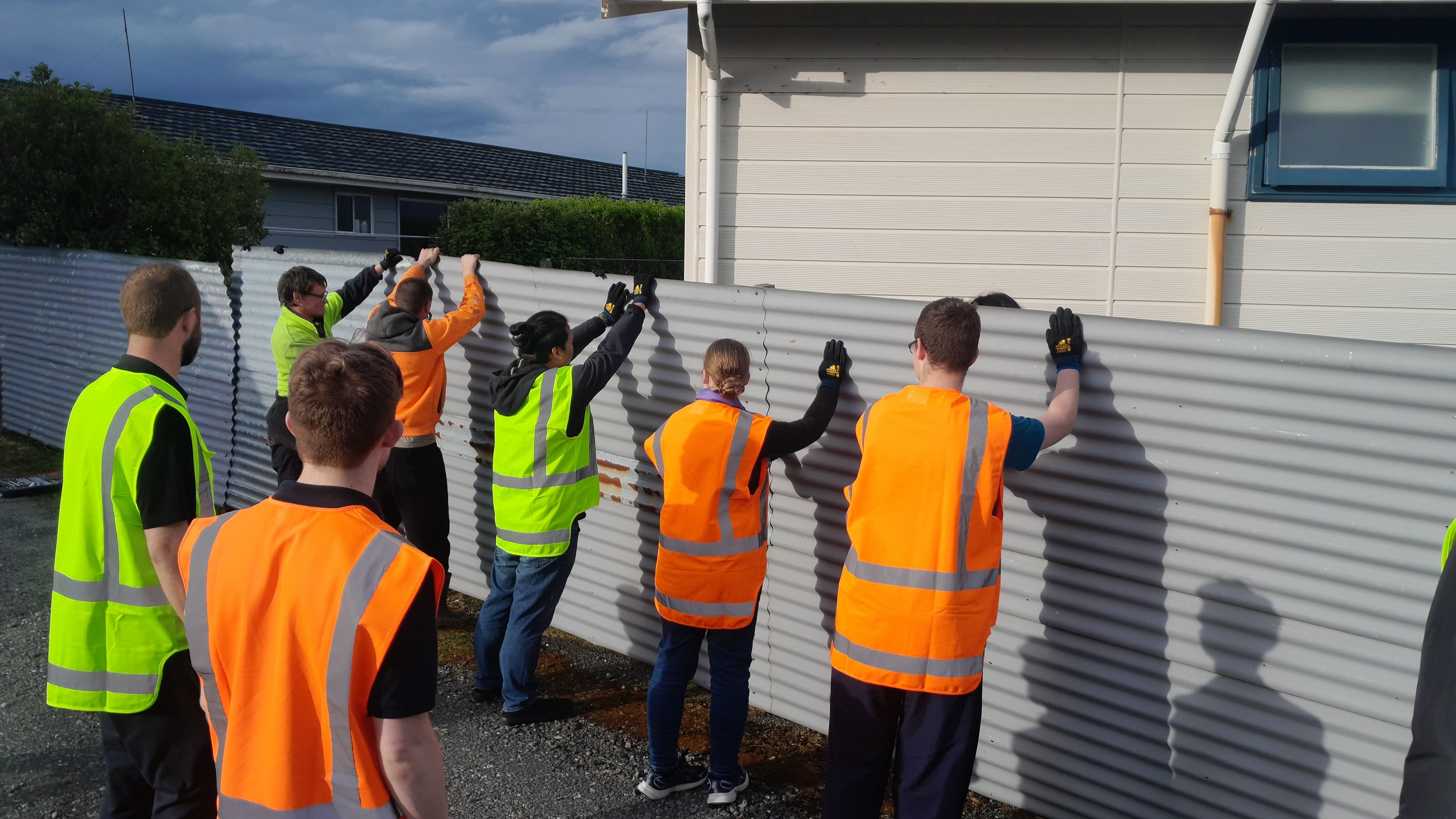
They arrived at 9am, stretched as a team in the morning, talked through safe lifting and how to move materials on a narrow staircase without anyone getting hurt, and got to work. The plan was a manageable day. The reality was something else.
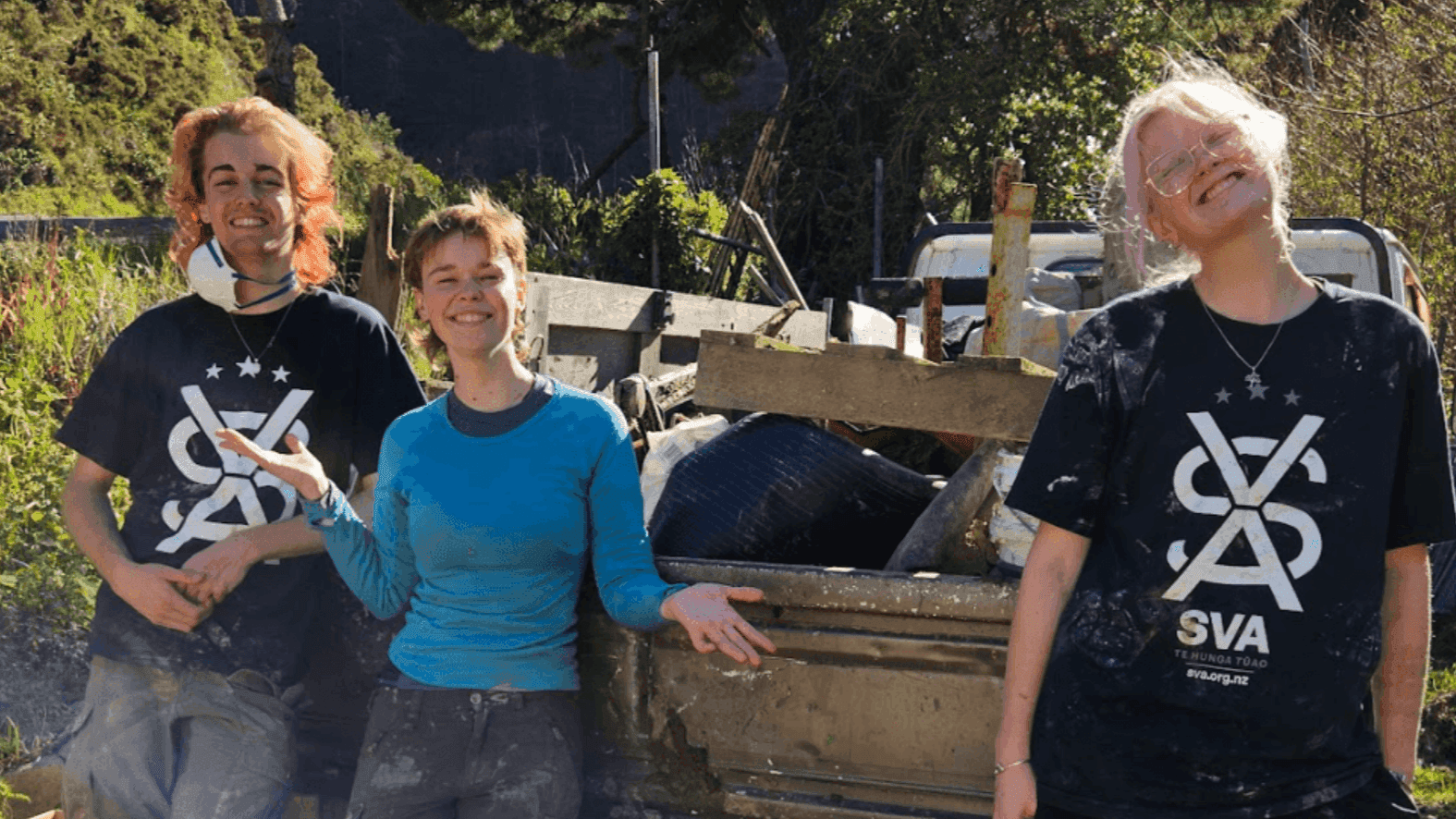
At the first property, an entire truckload of waterlogged furniture and damaged household items needed clearing. At the second, six tonnes of silt had to come out by hand, bucket by bucket, up and down a staircase, over and over again. When 3pm came and the planned end of the day arrived, nobody moved toward the door. They stayed. Three more hours, until both properties were done.
No incidents. P2 masks for the silt work, gloves, proper footwear. The team had everything they needed and used all of it. Kirby took on any sharp objects or broken glass personally, so no one else had to worry about it.
Both families fed them. Refreshments, genuine thanks, a moment to sit down between runs up the stairs. Small things that said a lot.
The Vic SVA team are students. They have lectures, assignments, and lives of their own to manage. But they're not done. As Wellington's recovery continues, they're committed to going back, working around their academic commitments for as long as the community needs them.
Six volunteers. Two properties. Six tonnes of silt. Nine hours.
Sometimes that's what it takes.
“Volunteering has shaped me into a more empathetic leader and reminded me that the greatest reward isn’t recognition, but the chance to help others grow. SVA has shown me that service isn’t just about giving back—it’s about creating communities where everyone can thrive.”