Research & Impact
Learning from Action: Ten Years of SVA Research
Since its inception in the wake of the 2010 Christchurch earthquake, the Student Volunteer Army has become a globally recognised case study in community resilience and youth-led crisis response.
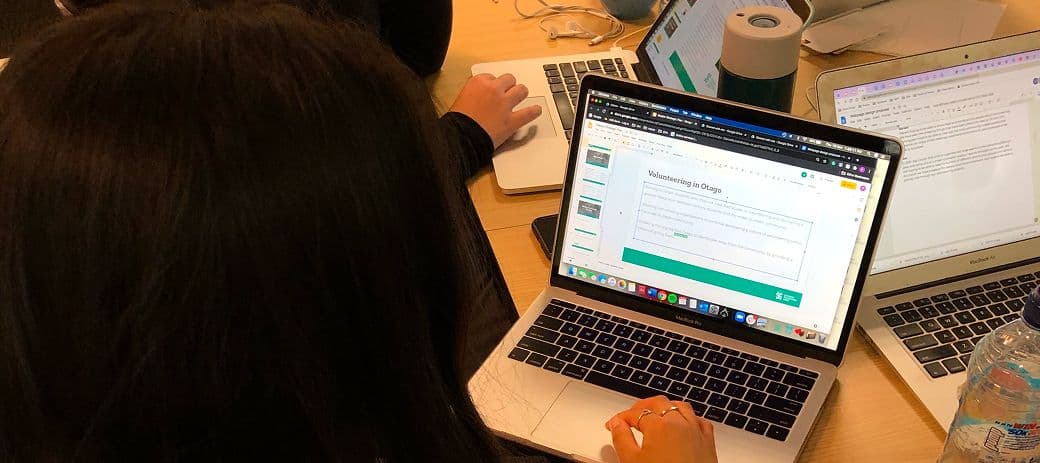
Our journey has been documented and analysed by researchers helping us understand the 'why' and 'how' of our work, ensuring that the lessons we've learned in the field, from shoveling silt in Christchurch to responding to the COVID-19 pandemic, are preserved to help future generations of leaders.
Below, you will find key academic papers that explore the SVA's unique status and the factors that enable thousands of New Zealanders to show up when it matters most.
When Communities Need Help, We Show Up
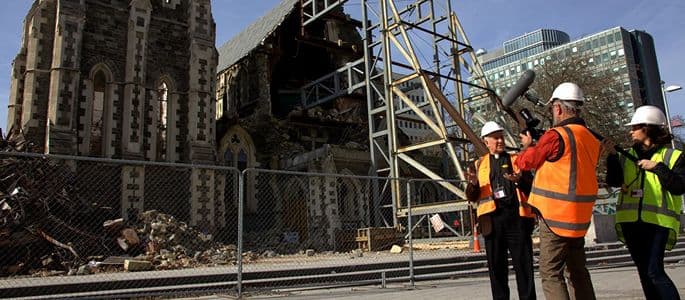

Christchurch Earthquakes (2010–2011)
11,000 students mobilised to shovel liquefaction silt from homes and properties across Christchurch. This founding moment established SVA as a trusted force in community-led disaster response.
State of Emergency: National
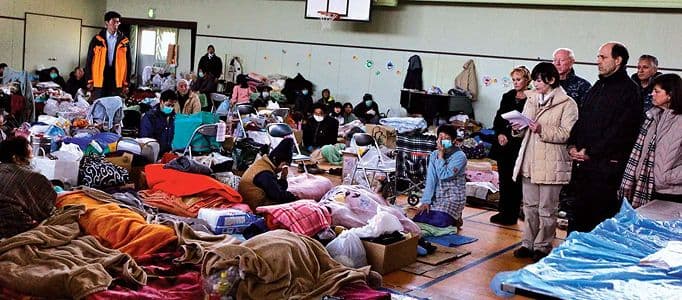
Japan Tsunami (2011)
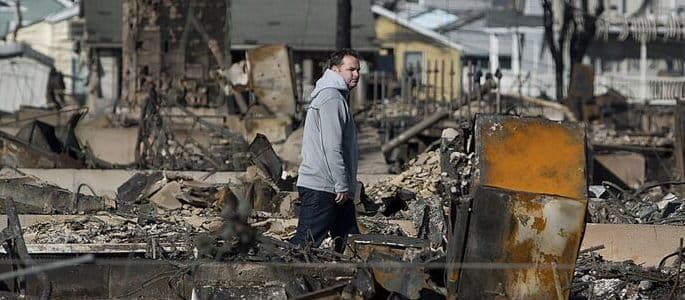
Hurricane Sandy – New York (2012)
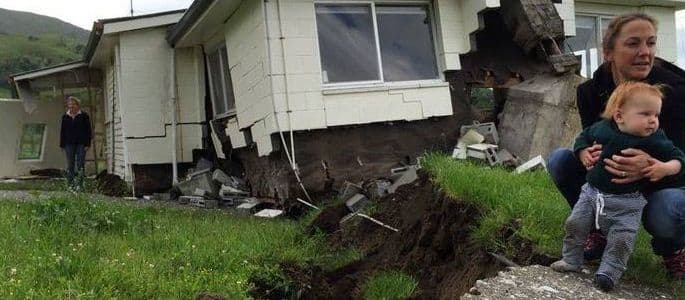
Kaikōura Earthquake (2016)
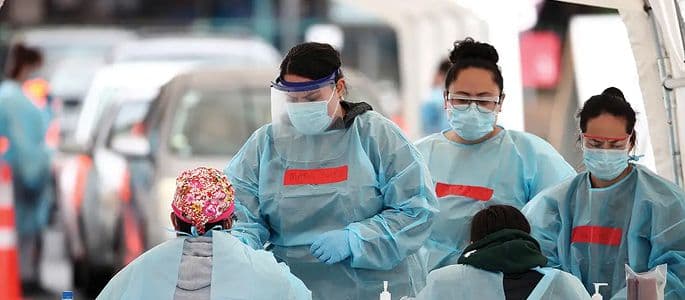
COVID-19 Pandemic (2020)
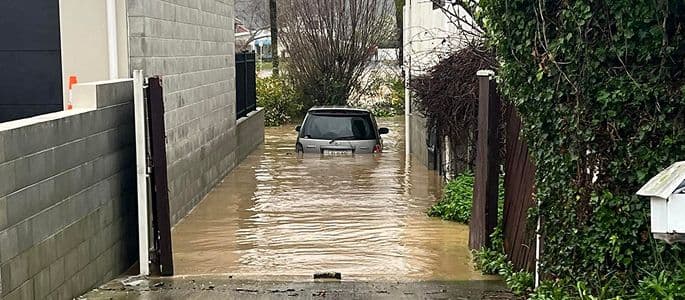
Nelson Floods (2022)
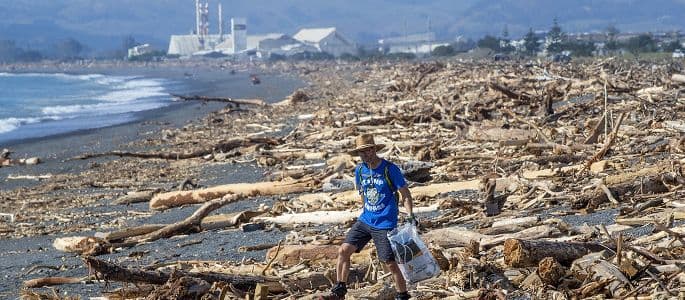
Cyclone Gabrielle (2023)
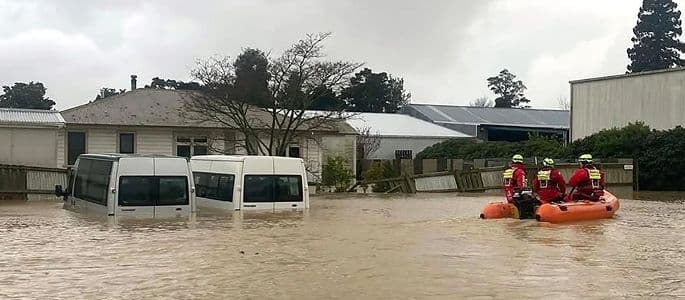
Ongoing Flood Responses (2024–2025)
Christchurch Earthquakes (2010–2011)
11,000 students mobilised to shovel liquefaction silt from homes and properties across Christchurch. This founding moment established SVA as a trusted force in community-led disaster response.
State of Emergency: National
Japan Tsunami (2011)
Hurricane Sandy – New York (2012)
Kaikōura Earthquake (2016)
COVID-19 Pandemic (2020)
Nelson Floods (2022)
Cyclone Gabrielle (2023)
Ongoing Flood Responses (2024–2025)
Christchurch Earthquakes (2010–2011)
11,000 students mobilised to shovel liquefaction silt from homes and properties across Christchurch. This founding moment established SVA as a trusted force in community-led disaster response.
State of Emergency: National
Japan Tsunami (2011)
Hurricane Sandy – New York (2012)
Kaikōura Earthquake (2016)
COVID-19 Pandemic (2020)
Nelson Floods (2022)
Cyclone Gabrielle (2023)
Ongoing Flood Responses (2024–2025)
One of the strengths of the Student Volunteer Army is its ability to adapt quickly to new situations.

Featured Papers
Authors:
Sally Carlton & Colleen E. Mills (2017)
Focus:
This paper analyses how the SVA emerged and repeatedly re-emerged during the 2010–11 Canterbury earthquake sequence. The authors argue the SVA occupies a unique middle category between 'established' and 'emergent' response organisations: a 'repeat emergent' group that mobilised afresh after each major aftershock. By examining it against four features of an effective response organisation, namely adaptability, direction, leadership and communication, they show how each remobilisation let the SVA continually refine its systems, relationships and public image.

Authors:
Sally Carlton, Sylvia Nissen, Jennifer H. K. Wong & Sam Johnson (2021)
Focus:
Drawing on in-depth interviews, this paper looks across a full decade of SVA responses, including earthquakes, floods, fires, the Christchurch mosque terror attack and the Covid-19 pandemic, to draw out what the group learned over time. The authors present a framework of cross-cutting lessons (the 'why', 'who', 'when', 'what' and 'how' of mobilising) and show how each lesson was built upon for the next disaster, offering insight into how local, youth-led groups learn and adapt across very different kinds of crises.
Authors:
Sylvia Nissen, Sally Carlton, Jennifer H. K. Wong & Sam Johnson (2020)
Focus:
This paper challenges the popular idea that the SVA's rise was purely 'spontaneous'. Using a dataset of 54 interviews, the authors map the factors that actually enabled the mobilisation, many of which existed before the earthquakes, such as pre-existing networks and relationships. They argue that successful 'spontaneous' volunteering is rarely as spontaneous as it appears, with important implications for how disaster-response agencies recognise and support the networks that exist before and beyond a crisis.